Pre-Workout Nutrition for Women | Fit & Free Life
Pre-workout nutrition for women explained — what to eat before the gym, when to eat it, and why fasted training works against you after 35.
NUTRITION
5/18/20267 min read
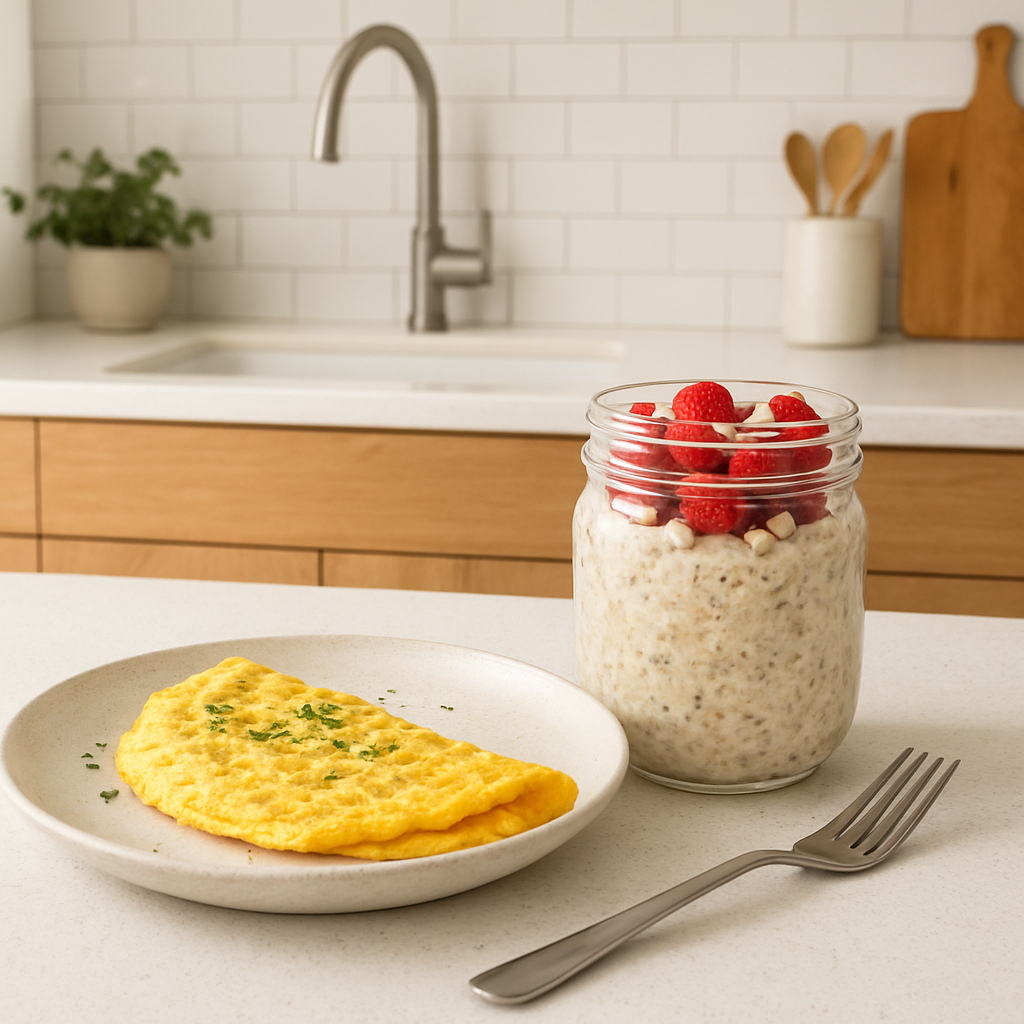
If you've ever shown up to the gym feeling flat, weak, or like you just can't push the way you know you're capable of — your pre-workout nutrition might be the missing piece.
I'm Jessie, a registered nurse and strength training mom of five. I eat before every single workout. Not because someone told me to, but because I've trained both ways and the difference is significant — especially after 35.
This post covers everything you need to know about fueling your workouts as a woman: what to eat, when to eat it, why it matters more as you get older, and exactly what I eat before I hit the gym every morning.
Why Pre-Workout Nutrition Matters More After 35
Most of the nutrition advice floating around fitness culture was designed for younger athletes or men. For women over 35, the picture is more nuanced — and getting your pre-workout fueling right pays off in ways that go beyond just having more energy.
Your muscles run on glycogen. Glycogen is the stored form of carbohydrates in your muscles and liver. When you lift weights, glycogen is your primary fuel source. If you show up to a strength training session with low glycogen — either from skipping meals, cutting carbs, or training fasted — you're essentially asking your car to run without gas. You can do it, but you won't go far and you won't go fast.
Hormonal changes affect energy and recovery. As estrogen fluctuates in your 30s and 40s, your body's ability to regulate blood sugar and manage energy becomes less predictable. Eating a balanced pre-workout meal helps stabilize blood sugar before training, which supports both performance and recovery.
Muscle protein synthesis is harder to trigger after 35. Research by exercise physiologist Dr. Stacy Sims shows that women in perimenopause experience anabolic resistance — the body becomes significantly less efficient at building muscle in response to training. This means every workout needs to count. Showing up fueled gives your body the raw materials it needs to make the most of the stimulus you're creating in the gym.
Fasted training for strength work is counterproductive. Fasted cardio has its place for some women, but fasted strength training is a different story. When you lift without fuel, your body is more likely to break down muscle tissue for energy — the exact opposite of what you're training for. Dr. Stacy Sims specifically recommends against fasted strength training for women, noting that women's physiology responds differently to training stress than men's. Unlike men, women tend to burn more protein for fuel during fasted exercise, which directly undermines muscle building goals.
The Two Most Important Nutrients Before a Workout
Carbohydrates
Carbohydrates are your body's preferred fuel source for strength training. Full stop. This is not negotiable and not up for debate — the research on this is consistent across decades of sports science.
Dr. Stacy Sims emphasizes that women are not small men — our carbohydrate metabolism works differently, particularly around training. Women oxidize more carbohydrates during exercise than men do, meaning we are more dependent on carbohydrate availability for performance. Going low-carb before training doesn't just reduce energy — it actively works against the way women's bodies are designed to fuel exercise.
Before a strength training session, carbohydrates replenish glycogen stores, provide readily available energy, and support the intensity you need to actually challenge your muscles enough to grow.
This is especially important for women who have spent years restricting carbs. If you've been low-carb for a long time, your glycogen stores are chronically depleted and your workouts have probably felt harder than they need to. Adding carbs back in before training is often the single change that makes everything feel different.
Best pre-workout carb sources:
Oats (slow-releasing, steady energy)
Banana (fast-releasing, great if you're short on time)
Rice cakes
White or sweet potato
Fruit
Protein
Protein before a workout primes your body for muscle protein synthesis. Having amino acids available in your bloodstream as you train means your body can start the repair and rebuilding process more efficiently.
For women over 35 specifically, getting protein in before training — not just after — is increasingly supported by research. Experts recommend women consume protein before strength training sessions, not just after, because women's muscle protein synthesis response is blunted compared to men's and needs to be supported at every opportunity. The goal is to have your muscles in an anabolic (building) state both during and after your session.
Best pre-workout protein sources:
Protein powder mixed into oats or a shake
Greek yogurt
Eggs
Cottage cheese
Timing: When Should You Eat Before a Workout?
The timing of your pre-workout meal depends on how much time you have before training.
1–2 hours before training (ideal): This is the sweet spot. A balanced meal with both carbohydrates and protein, eaten 1–2 hours before you lift, gives your body time to digest and convert that food into usable fuel without you feeling heavy or sluggish during your session.
30–60 minutes before training: If you're short on time, go for something smaller and easier to digest — a banana with a protein shake, Greek yogurt with fruit, or a rice cake with a small amount of peanut butter and a protein source. Keep fat and fiber low since both slow digestion and can cause discomfort during training.
Less than 30 minutes before training: A small, fast-digesting carb source — a banana, a few rice cakes, a small serving of fruit — is better than nothing. Avoid large meals this close to training.
What about morning workouts? If you train early in the morning, you don't need a full meal — but you do need something. Even a small pre-workout snack is better than training completely fasted for a strength session. Your body has been fasting overnight and glycogen stores are lower than they will be at any other point in the day.
What I Actually Eat Before My Workouts
I train at 8:00 AM every morning. My pre-workout meal happens around 6:30–7:00 AM, giving me about an hour to an hour and a half to digest before I lift.
My pre-workout meal:
Old fashioned oats made with water
One scoop of Muscle Milk 100% Whey protein powder mixed in
Chia seeds
Frozen wild blueberries
This meal hits everything I need before training. The oats provide slow-releasing complex carbohydrates for steady, sustained energy through my session. The protein powder brings the protein content up to around 35–40 grams. The chia seeds add healthy fats and fiber. The wild blueberries are rich in antioxidants that support recovery and reduce exercise-induced inflammation.
It takes about 5 minutes to make, it keeps me full without feeling heavy, and I've been eating some version of this before every workout for years. When I skip it or rush it, I notice immediately in the gym.
What About Pre-Workout Supplements?
Pre-workout supplements are optional — but for some women they can make a real difference in energy, focus, and performance, especially on early morning training days.
Here's what to know:
Caffeine is the most evidence-backed ergogenic (performance-enhancing) aid in existence. It improves strength, endurance, focus, and perceived effort. Most pre-workout supplements contain caffeine as their primary active ingredient. If you're sensitive to caffeine, look for a lower-dose option or take it earlier.
Creatine is not a pre-workout supplement in the traditional sense — it doesn't need to be timed around workouts to be effective. But it is the single most researched and effective supplement for strength and muscle building. I take Orgain Creatine daily, timing doesn't matter much.
For clinical-grade, third-party tested versions of these supplements, I also recommend Thorne — one of the few brands I trust completely as an RN for purity and dosing accuracy.
What I use: I take Mr. Hyde pre-workout on training days. It gives me clean energy and focus without making me feel jittery or crashing afterward. If you're new to pre-workout supplements, start with half a serving to assess your tolerance.
What to avoid: Pre-workouts with proprietary blends (you can't see the actual doses of each ingredient), excessive stimulants, or a long list of unrecognizable ingredients. Simpler is usually better.
What to Eat After Your Workout
Post-workout nutrition is just as important as pre-workout — arguably more so for muscle building.
After strength training, your muscles are primed to absorb nutrients. This window is when protein and carbohydrates are used most efficiently for muscle repair and glycogen replenishment.
Post-workout targets:
Protein: 40 grams of high-quality protein within 1–2 hours after training
Carbohydrates: A serving of fast-digesting carbs to replenish glycogen
My post-workout meal: A protein shake with Muscle Milk 100% Whey, spinach blended in, and a bagel with sugar-free jelly or a small amount of butter. This combination hits the protein target, replenishes glycogen quickly, and keeps me full through the morning.
For a full breakdown of what I eat throughout the day to support my training, check out my What I Eat in a Day post.
Common Pre-Workout Nutrition Mistakes Women Make
Training fasted for strength work. Fasted training has its place, but not for heavy lifting. Your performance, your muscle stimulus, and your recovery will all be compromised.
Eating too close to training. A large, heavy meal 20 minutes before you lift will sit in your stomach and make everything harder. Give yourself at least 45–60 minutes, ideally 1–2 hours.
Skipping carbs. If you're low-carb and wondering why your workouts feel terrible, this is why. Carbohydrates are not the enemy — they're the fuel.
Not enough protein. Many women eat enough carbs before a workout but skip protein entirely. Both matter. Get at least 20–30 grams of protein in your pre-workout meal.
Relying only on pre-workout supplements. A stimulant can give you energy and focus, but it can't replace actual food. Pre-workout supplements work best when layered on top of solid pre-workout nutrition — not instead of it.
Eating the same thing regardless of training intensity. On heavy compound lift days you need more fuel than on lighter accessory days. Pay attention to how your body feels and adjust accordingly.
Simple Pre-Workout Meal Ideas for Busy Women
Not everyone has time for a full meal before training. Here are quick, easy options that cover the bases:
30–60 minutes before:
Banana + protein shake
Greek yogurt + handful of berries
Rice cakes + cottage cheese
Apple + a small scoop of almond butter + protein shake
1–2 hours before:
Protein oats (oats + protein powder + fruit) — my go-to
Eggs + toast
Greek yogurt parfait with granola and berries
Chicken and rice (if you have it prepped)
Cottage cheese + fruit + a slice of whole grain toast
In a real rush:
A banana on the way to the gym
A protein bar with at least 20g protein and some carbs
A small protein shake
Something is always better than nothing.
The Bottom Line
Pre-workout nutrition doesn't have to be complicated. Eat a meal with carbohydrates and protein 1–2 hours before you train. Keep it balanced, easy to digest, and consistent.
For women over 35 specifically — don't skip this step. Your training, your recovery, your hormone balance, and your results all depend on showing up fueled.
If you want to pair your nutrition with a structured 8-week strength training program built specifically for women 35+, my guide Strong Starts Here covers the full training plan, nutrition framework, supplement guidance, and recovery guidelines in one place.
Strong Starts Here — $27, instant download →
Jessie Johnston is a Registered Nurse and founder of Fit & Free Life, where she helps women 35+ build real strength, balance their hormones, and feel completely at home in their bodies. Find her on TikTok and Instagram @fitandfreelife and @fitandfree_life.